अनाहत
Anahata
639hz
‘Heart Chakra’
Colour: Green
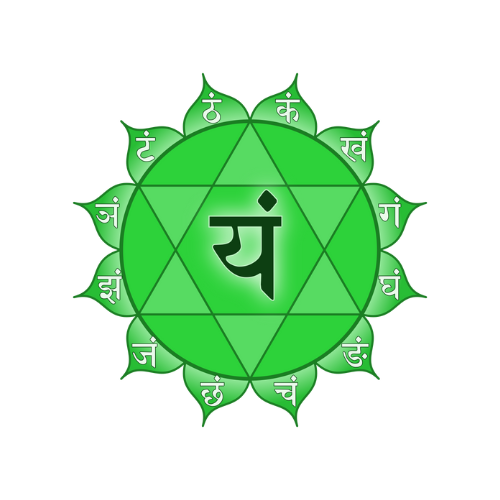
Shape: Hexagram (Star of David)
Mandala: Twelve-petaled lotus
Frequency (in Hertz): 639 Hz
Relevant Organ: Heart, lungs, thymus gland
Beeja Mantra: Yam (यं)
Element: Air
Platonic Solid/Geometric Form: Octahedron
Classical Imagery: Green circle with twelve petals
surrounding a six-pointed star
The Heart Chakra governs love, compassion, and connection.
It is associated with empathy, forgiveness, and the ability to
form meaningful relationships.
Anahata chakra is the fourth primary energy center, located in the center of the chest, near the heart. It is often depicted as a green, twelve-petaled lotus and is
associated with the air element, love, compassion, empathy, and balance. Awakening Anahata is crucial for cultivating qualities such as unconditional love, forgiveness,
selflessness, and emotional well-being. This chakra is also the bridge between the lower (earthly) chakras and the higher (spiritual) chakras, and its awakening plays a
significant role in the spiritual ascent of Kundalini energy.
Swami Satyananda Saraswati provides various methods for awakening and balancing the Anahata chakra, with an emphasis on both physical and psychological practices
that nurture love, emotional balance, and inner harmony. Here are the key steps and practices to awaken Anahata:
- Asana
Asanas help to open the chest, strengthen the heart region, and create a sense of expansiveness and openness. These postures also activate the energy flow to the
Anahata chakra, helping to clear emotional blockages and cultivate feelings of love and compassion. These asanas stretch and strengthen the chest area, stimulating the
Anahata chakra and increasing vitality:
Bhujangasana (Cobra Pose): This pose opens the chest and stimulates the heart region, helping to release emotional tension stored in the chest.
Ustrasana (Camel Pose): A deep backbend that stretches and opens the heart area, improving circulation and encouraging emotional openness.
Dhanurasana (Bow Pose): Another backbend that stimulates the heart and chest, helping to activate Anahata and encourage emotional release.
Ardha Matsyendrasana (Half Lord of the Fishes Pose): A seated twist that helps release tension in the spine and chest, aiding in the balance of the heart chakra.
Setu Bandhasana (Bridge Pose): This gentle backbend opens the chest and helps lift the energy toward the heart center. - Pranayama
Pranayama practices are highly effective for purifying the heart chakra, as the breath is intimately connected to the flow of prana (life energy). Breathing techniques that
focus on opening the chest, calming the nervous system, and balancing emotions are particularly beneficial for Anahata.
Anulom Vilom (Alternate Nostril Breathing): This pranayama balances the energy between the left and right hemispheres of the brain, calming the emotions and
harmonizing the flow of prana through the heart chakra.
Ujjayi (Victorious Breath): Ujjayi pranayama helps to calm the mind and open the chest area. It creates an inward focus that helps to balance the heart energy.
Kapalbhati (Breath of Fire): This energizing breath practice can help release stored emotional tension in the chest area, clearing blockages in the heart chakra.
Bhramari (Bee Breath): A soothing breath practice that can calm the mind and relax the heart, Bhramari is beneficial for overcoming emotional turbulence and
cultivating inner peace.
Dirga Pranayama (Three-Part Breath): This technique involves deep, diaphragmatic breathing, filling the belly, ribs, and chest in a slow and controlled manner. It helps
to release tension and cultivate a sense of inner calm.
These pranayama techniques can help open the heart, balance emotional energy, and activate the Anahata chakra. - Mantra Chanting
Mantra chanting is one of the most powerful techniques for awakening the Anahata chakra. The sound vibrations produced by mantras resonate with the energy of the
chakra, helping to cleanse and activate it. The Bija Mantra for Anahata is “Yam” (pronounced “yahm”). This mantra is the waveform associated with the heart chakra and
helps to open and activate this energy center.
Sit in a comfortable meditative posture and bring your awareness to the center of your chest, where the heart chakra resides.
Begin chanting the mantra “Yam” either aloud or silently, focusing on the vibrations in your chest area.
You can chant the mantra with each breath, allowing the energy to resonate in the heart center and clear any emotional blockages.
Repeated chanting of the “Yam” mantra helps to harmonize the heart chakra and infuse it with love, compassion, and peaceful energy. - Visualization
Visualization is another powerful technique to awaken the Anahata chakra. By visualizing colors, symbols, and elements associated with the heart, you can stimulate and
balance this energy center.
Visualization Techniques:
Visualize a green lotus (or a pink lotus, depending on the tradition) with twelve petals, radiating peaceful energy from your chest. Imagine the petals opening wide with
each breath, filling your body with love, compassion, and warmth.
Imagine a ball of golden light or a green flame in the heart center. As you inhale, see the light expanding and growing stronger. With each exhalation, visualize this light
radiating outward, touching the people and world around you.
You can also visualize the air element flowing in and out of your chest with each breath, symbolizing the breath of life and the flow of emotional and spiritual energy.
Visualization strengthens the connection with the heart chakra and helps you attune to the qualities of love and compassion. - Meditation on Love and Compassion
Sit in a comfortable meditation posture with a straight spine and your awareness focused on the area of your heart (the center of your chest).
Bring to mind someone or something that you deeply love. Feel the warmth and compassion that arise in your heart.
Expand this feeling of love to encompass all beings—family, friends, and even those with whom you may have conflict. Cultivate a feeling of universal compassion that
flows from your heart and out into the world.
As you meditate, visualize the energy in your heart expanding like a radiant light, touching everything around you with healing energy.
Practicing love-based meditation regularly will help open the heart chakra, leading to a deeper sense of connection and spiritual growth. - Heart-Opening Exercises and Emotional Release
Emotional healing and heart-opening practices are key to awakening the Anahata chakra. Swami Satyananda encourages emotional release to clear blockages stored in the
chest and heart region. Allow yourself to fully experience and express emotions like grief, joy, and love. Suppressed emotions can create blockages in the heart chakra, so
releasing these emotions helps open the heart. Engage in chanting, singing, or even listening to soothing music that resonates with the heart. Music with a gentle rhythm
can also be therapeutic for releasing emotional blockages. Engaging in activities that make you laugh or connect with your inner child can help relieve emotional tension
and open the heart. These practices help dissolve emotional blockages and allow the heart to function freely, activating Anahata energy. - Cultivate Compassion and Self-Love
The heart chakra is deeply connected to self-love and compassion. An essential part of awakening Anahata is learning to love and accept yourself unconditionally.
Affirmations for Anahata:
“I am love and I am loved.”
“I open my heart to compassion and kindness.”
“I forgive myself and others.”
“I am worthy of love and acceptance.”
Repeating these affirmations daily helps cultivate a positive mindset and opens the heart to the flow of love and compassion. - Balanced Diet and Lifestyle
Since the heart chakra is related to emotional balance and the air element, maintaining a peaceful, balanced lifestyle is important. Swami Satyananda emphasizes the role
of a balanced diet and a simple, harmonious lifestyle in maintaining emotional health. Eat fresh, whole foods like leafy greens, vegetables, fruits, and nuts, which nourish
the body and mind. Avoid excessively heavy or processed foods, as they can disturb emotional balance and make the heart chakra feel blocked or stagnant. Drink plenty
of water to keep the flow of energy smooth and steady. A balanced lifestyle, combined with emotional awareness and self-care, is essential for keeping the Anahata chakra
open and functioning optimally.
By regularly practicing these techniques, you can awaken and balance the Anahata chakra, allowing for the cultivation of love, compassion, and emotional harmony in
your life. This process not only supports physical health but also enhances your spiritual development, helping you experience a deeper connection to yourself, others,
and the universe.
